A Careful Guide to Buying Fair Trade Flowers
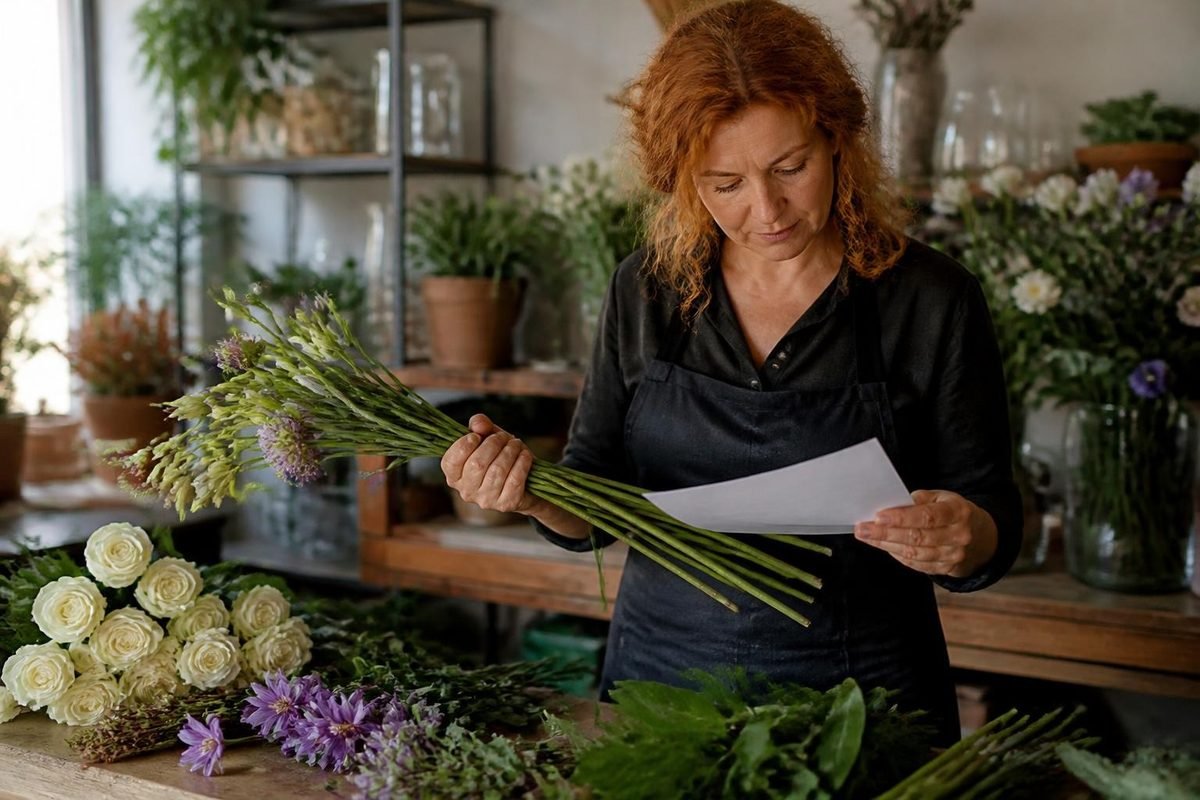
Florists choosing fair trade flowers should verify what a supplier can prove about certification, workers, traceability and environmental practices. They should also check supply and flower quality before placing orders, so responsible sourcing fits the needs of their customers.
Check what the certificate covers
There is no single fair trade rulebook for flowers. Programs use different standards, so find out which certification applies and review that program’s current requirements. Ask the supplier to name the certified farm or supply chain and provide documents that can be checked with the certifier.
Look closely at the issues included in the standard. Some programs cover wages, workers’ ability to represent themselves, health and safety, and a premium meant to support workers or their communities. These provisions vary. Certification alone does not show that all workers earn the same amount, nor does it mean every farm follows identical environmental rules.
Check the certificate’s scope as well as its validity. A wholesaler might handle conventional flowers alongside certified ones. That means a certificate does not prove that every stem in an order qualifies. Ask how certified products are marked on invoices and tracked as they move through the supply chain. Make sure the paperwork identifies the flowers you are actually buying.
Find out how workers are treated
Harvesting and packing flowers on tight schedules can create pressure for workers, and flowers spoil quickly. Ask what farms do to limit pesticide exposure, train staff and respond to complaints. If the certification provides a worker premium, ask who manages it and how workers help decide how it is spent.
A supplier may need time to answer detailed questions. What matters is a willingness to check and provide evidence, rather than relying on general statements about good treatment. Keep asking over time. Working conditions and certification status can change, so regular checks help you base purchasing decisions on current information.
Check availability, quality and environmental effects
Ask which flower varieties are offered, where they are grown and how reliably they can be supplied. For weddings and repeat orders, confirm seasonal gaps, delivery expectations and the supplier’s approach to substitutions. Try a small order before committing to a large event. Check how fresh the flowers are, how long they take to open and how long they last in a vase.
Fair trade certification and environmental performance are connected concerns, but they are not the same measure. Ask about water use, pesticide management, packaging and transport. Then check which of those topics the certification actually addresses. Nearby flowers are not automatically the lower impact option, and certified flowers from farther away are not automatically the higher impact option. Without data that can be compared, do not make a firm environmental claim.
Questions to settle before placing an order
How can I check the certificate?
Request the program name and certificate details. Confirm its validity and scope directly with the certifier, rather than relying only on a supplier’s description.
Does certification apply to these flowers?
Check that the varieties and quantities you plan to order are covered. Ask how they will be identified in the order documents and invoice.
What is the plan if flowers are unavailable?
Agree on acceptable replacements before ordering. Make clear whether substitute flowers must carry the same certification as the original selection.
What information can I share with customers?
Use claims supported by certification details and supplier records. State what the label covers, without implying that certification guarantees flawless working or environmental conditions.
More background: https://ytpanelmonitor.com/how-to-order-flowers-online-and-avoid-common-mistakes/